.webp)
Marketing Automation for Hotels: Processes, Benefits, and How to Choose the Right Solution

Marketing automation helps hotels turn guest data into targeted communication and automated processes – making operations more efficient, strengthening guest loyalty, and delivering measurable results.
In many hotels, guest data, communication activities, and marketing processes are spread across different systems and manual workflows. Marketing automation addresses exactly this challenge. It connects relevant data with defined workflows, allowing hotels to target potential and existing guests more effectively.
However, automation only creates meaningful business value when it goes beyond automatically sending individual messages. The key is connecting marketing activities with guest data and tracking their impact all the way through to inquiries, reservations, and revenue.
This article explains what hotels need to implement marketing automation successfully, which processes are worth automating, and what to consider when choosing the right software solution.

Requirements for Hotel Marketing Automation
Hotel marketing automation requires a reliable data foundation and clearly defined processes. Relevant information is often stored in the property management system (PMS), CRM, newsletter systems, or other marketing platforms. To deliver automated campaigns to the right audiences, this data must be structured, legally usable, and accessible to the software.
The right integrations between systems are equally important. Only when guest data, inquiries, reservations, and marketing activities are connected can hotels segment target audiences precisely and tailor communication to individual guests and prospects.
Clear goals are just as important as the technical setup. Is marketing automation intended to generate new guest contacts, reactivate existing guests, address occupancy gaps, or strengthen guest loyalty? The more clearly the use case is defined, the more effectively hotels can automate processes and evaluate results based on inquiries, reservations, and revenue.
Lead Generation With Marketing Automation
Structured contact and guest data that can be used legally is an essential foundation for marketing automation. Marketing automation can support both the acquisition of new guest contacts and the ongoing nurturing of existing contacts. Leads are potential guests who have voluntarily provided contact information, such as their email address, for future communication.
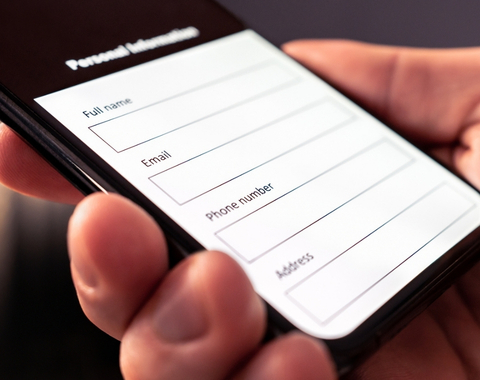
The first step is attracting potential guests and capturing their interest. Automated social media posts, for example, can help create that initial touchpoint. On the hotel website or campaign-specific landing pages, visitors can be invited to voluntarily provide their contact information. Once the data has been collected legally, the new lead can enter predefined marketing workflows.

Lead Segmentation for Personalized Guest Communication
In the next step, leads can be divided into different segments. This creates specific target audiences that can receive content relevant to their interests and needs. One common distinction is between warm and cold leads. Warm leads have interacted with the hotel more frequently. They may already have stayed at the property one or more times, making them more likely to convert. Cold leads have a more distant relationship with the hotel. These may include contest participants, guests who submitted an inquiry but did not book, or newsletter subscribers.
Lead segmentation makes communication not only automated but also personalized and audience-specific, minimizing irrelevant outreach.
Software solutions can process this information automatically and adapt communication based on predefined criteria. Interactions with landing pages and content can further refine segmentation—for example, based on specific interests. This enables hotels to tailor content more precisely to different guest segments and reduce irrelevant outreach.
Automating Guest Communication and Building Guest Loyalty
Effective guest communication can also be automated. Information collected from leads, together with existing guest data, helps hotels choose the right communication channel at the right time. Content can be created, personalized, and distributed automatically:
- Automated newsletter campaigns, for example, can inform collected contacts about relevant offers, last-minute availability, contests, or voucher promotions.
- Automated communication on social media platforms such as Facebook and Instagram can support these promotions and increase the hotel's visibility.
- Learning systems can also automatically generate landing pages and populate them with relevant content and copy.
When a potential or existing guest repeatedly encounters content that matches their interests, they develop a stronger connection with the offer, which can ultimately lead to a booking.
When a potential or existing guest repeatedly encounters content that matches their interests, they develop a stronger connection with the offer, which can ultimately lead to a booking. This approach can also reduce complexity and improve transparency in guest and customer communication.
Automating Campaign Planning, Delivery, and Performance Analysis
Campaign planning, delivery, and performance analysis can also be partially automated. Based on predefined target audiences, timing, and triggers, communication activities can launch and run automatically.
Reporting captures relevant interactions and results. When marketing and booking data are connected, hotels can also see which activities contributed to inquiries, reservations, or revenue.
.webp)
Benefits of Marketing Automation for Hotels
Increase Revenue Through Cross-Selling and Upselling
One of the key business benefits of marketing automation is the ability to manage recurring tasks more efficiently while targeting relevant guest segments more precisely. Automated processes can reduce manual effort and help hotels deliver the right offers at the right time.
The potential value extends beyond the initial booking. Cross-selling and upselling after a reservation can also become part of automated communication workflows and create additional revenue opportunities. At the same time, recurring processes no longer depend on individual manual steps, making execution more consistent.
Personalized Communication Strengthens Guest Loyalty
Relevant content and consistent communication tailored to each guest can help strengthen guest loyalty. Marketing automation enables hotels to segment contacts based on existing data and deliver content that reflects their interests, booking behavior, or current stage in the guest journey.
Before a stay, for example, hotels can automatically inform guests about relevant add-on services, offers, or useful information. After the stay, existing guest contacts can be reactivated with targeted communication. Consistent, relevant messaging can help strengthen the guest relationship and encourage repeat bookings.
Attribute Inquiries, Reservations, and Revenue to Marketing Activities
A major advantage of integrated marketing automation is the ability to measure individual activities. Depending on the software and system integrations in place, hotels can track KPIs such as open rates, clicks, unsubscribes, and interactions and connect them with downstream results such as inquiries, reservations, or revenue.
This data allows hotels to evaluate campaigns based not only on interactions but also on their business impact. Insights from these analyses can then be used to continuously improve target audiences, content, and communication workflows.
Guest profiles can also be refined based on relevant interaction and booking data. This allows hotels to tailor communication more precisely to guests' interests and previous behavior.
.webp)
Criteria for Choosing Hotel Marketing Automation Software
Marketing automation is particularly relevant for hotels when recurring marketing and communication tasks require significant manual effort, multiple standalone solutions are used in parallel, or there is limited visibility into marketing activities and their business results. To benefit from automation, hotels need sufficient relevant guest data and suitable processes that can be automated effectively.
When choosing marketing automation software, hotels should evaluate five areas in particular: suitability for hospitality-specific use cases, integration with the property management system (PMS) and other relevant systems, segmentation and personalization capabilities, measurable attribution of campaigns to inquiries, reservations, and revenue, and the level of ongoing support and product development.
The size of the property and its specific requirements also matter. Not every solution is equally suitable for every hotel. Hotels should therefore clearly define the functions and processes they need before comparing different solutions.
Cost should not be considered in isolation either. What matters is the relationship between the investment, the operational effort saved, and the measurable business results the software can generate.
Marketing Automation in Practice
In practice, marketing automation connects several steps into one continuous process. For example, when a potential guest submits contact information through a form and indicates specific interests, the system can automatically capture this information and assign the contact to the appropriate guest segment.
Based on this data, the hotel can then deliver relevant content, such as information about a suitable offer or an email tailored to the guest's specific interests. If the contact responds, additional communication steps can be triggered based on previous behavior. Hotels can use a similar approach to reactivate existing guests based on available stay and booking data.
The process does not end once a message has been sent. Measurement is critical. Ideally, hotels can determine which contacts and campaigns generated inquiries, reservations, and revenue. Marketing automation therefore connects guest data, communication, and performance measurement in one continuous process.
ADDITIVE+ MARKETING AUTOMATION for Hotels
ADDITIVE+ MARKETING AUTOMATION is ADDITIVE's software solution for automated guest campaigns in the hospitality industry. Hotel and guest data provide the foundation for reaching potential and existing guests with targeted, personalized communication throughout the guest journey.
Automated processes support hotels in areas such as generating new guest contacts, reactivating existing guests, and maintaining ongoing guest communication. When evaluating business impact, however, open rates, clicks, and interactions are not enough. What matters most are the inquiries, reservations, and revenue they generate.
Conclusion: Marketing Automation as Part of Hotel Sales
Marketing automation helps hotels manage recurring marketing and communication processes more efficiently and make more targeted use of existing guest data. It is particularly valuable when personalized communication, campaign management, and performance measurement are systematically connected.
The business value does not come from the number of processes automated. It comes from the results they generate: qualified inquiries, reservations, incremental revenue, stronger guest loyalty, and less manual effort.
Achieving these results requires a reliable data foundation, the right system integrations, and a software solution designed for the needs of the hospitality industry.
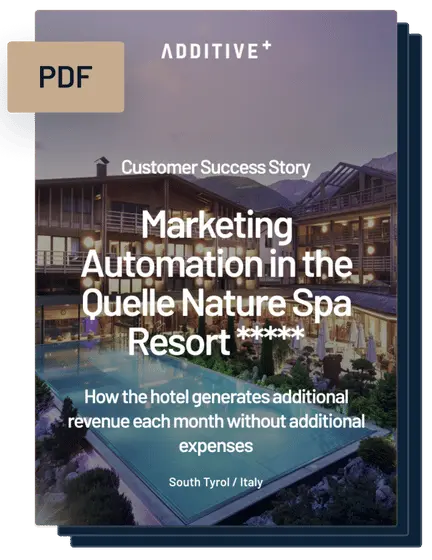
- How Hotel Quelle achieved 453 additional reservations
- Practical tips for marketing automation in hotels
- Generate predictable reservations and attract new guests
- Increase the share of regular guests

- How Hotel Quelle achieved 453 additional reservations
- Practical tips for marketing automation in hotels
- Generate predictable reservations and attract new guests
- Increase the share of regular guests
Book your Hotel Marketing Consultation:
15-Minute Expert Session - Free & without Obligation
- Exclusive one-on-one video call — free of charge, with no obligations
- In-depth assessment of your current digital marketing setup
- How to leverage guest data to drive direct revenue growth
- Proven strategies to boost occupancy and booking performance
Frequently Asked Questions About Marketing Automation for Hotels
- How Hotel Quelle achieved 453 additional reservations
- Practical tips for marketing automation in hotels
- Generate predictable reservations and attract new guests
- Increase the share of regular guests